12th of August 2019
The next day I joined the Gdansk walking tour, which gave me not only a good insight in the cities history but also in the story of the country of its origin.
At 10:00 we were greeted by a shy looking, but actually very charming and funny Polish guide who would show us around the city for the next 2,5 hours. He told us about Polands Golden Age, its bond with Lithuania, the fact that David Fahrenheit was born into a rich trading family of Gdansk and the cities role in the second World War – which began on Gdanks Island Westerplatte, when the Nazis invaded Poland in September 1939.
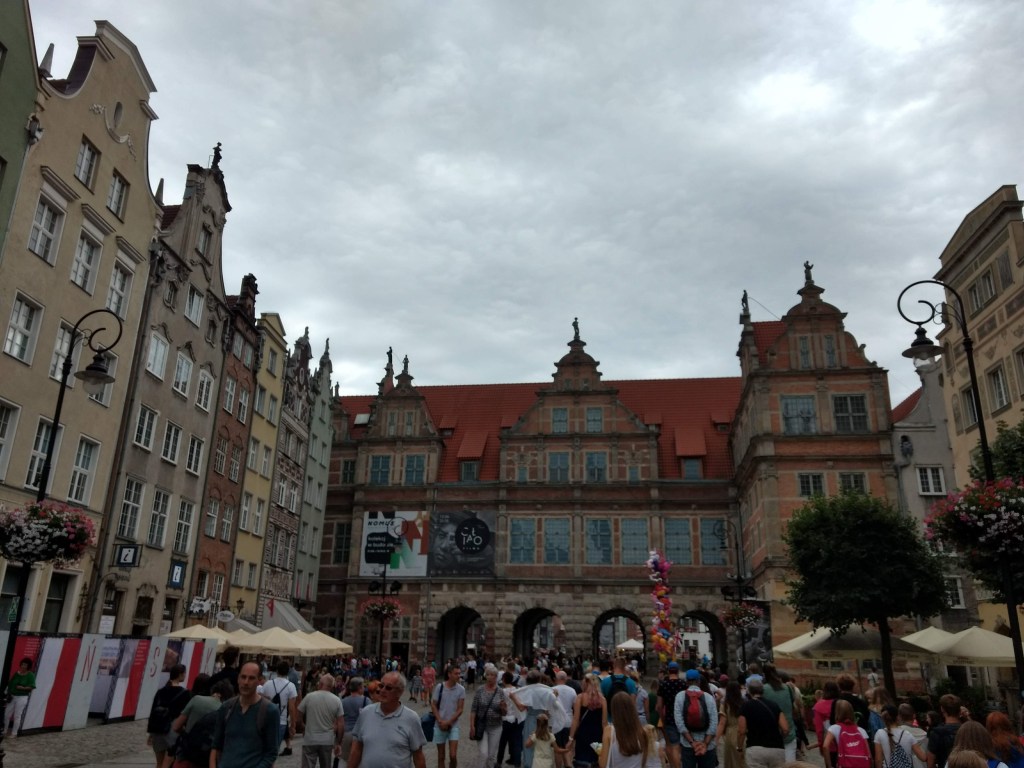
the ugly palace 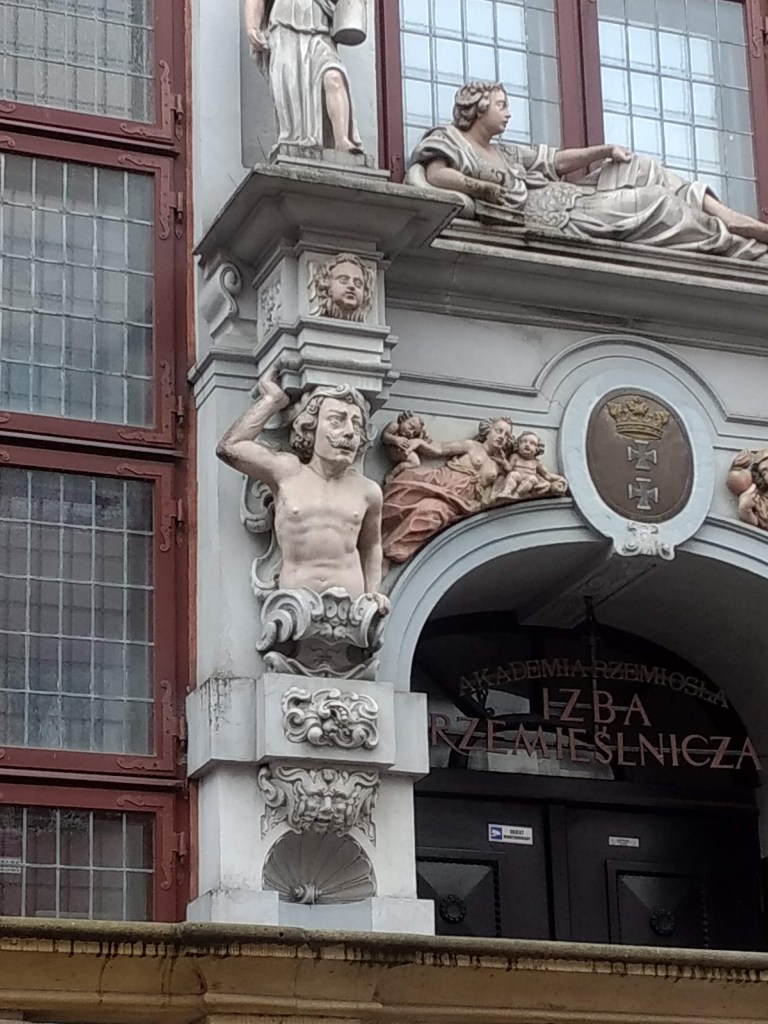
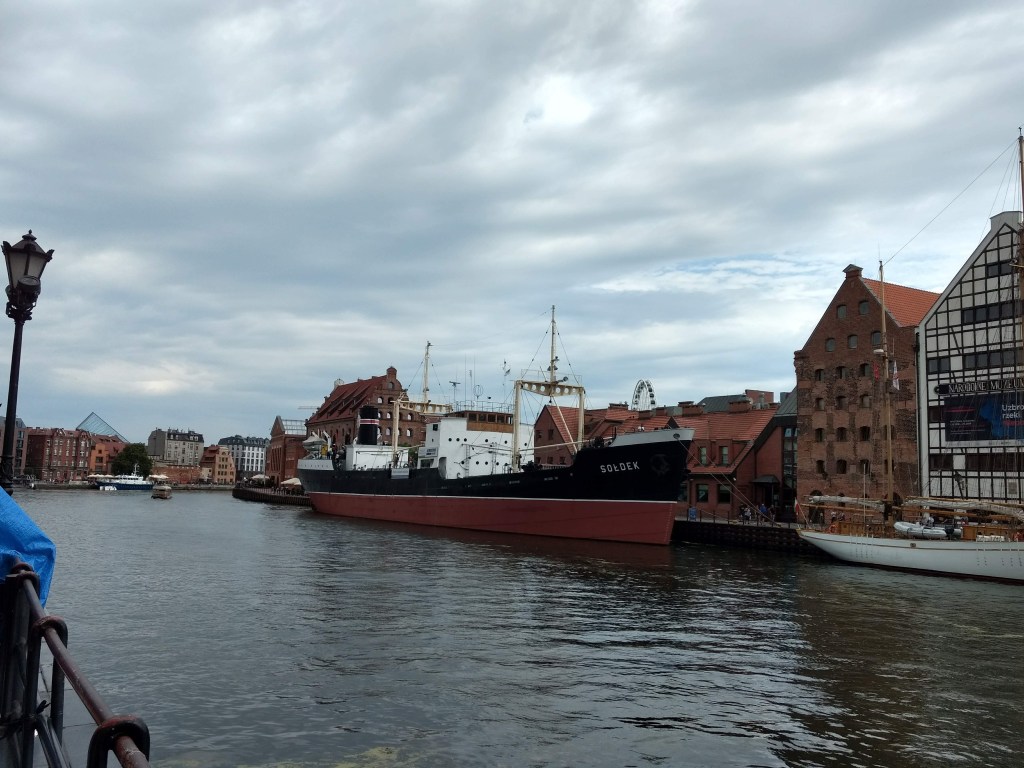
fun fact: in the soviet union the ships build were named after the hardest worker. So Mr Soldek got really famous and became something like a hero in Poland. 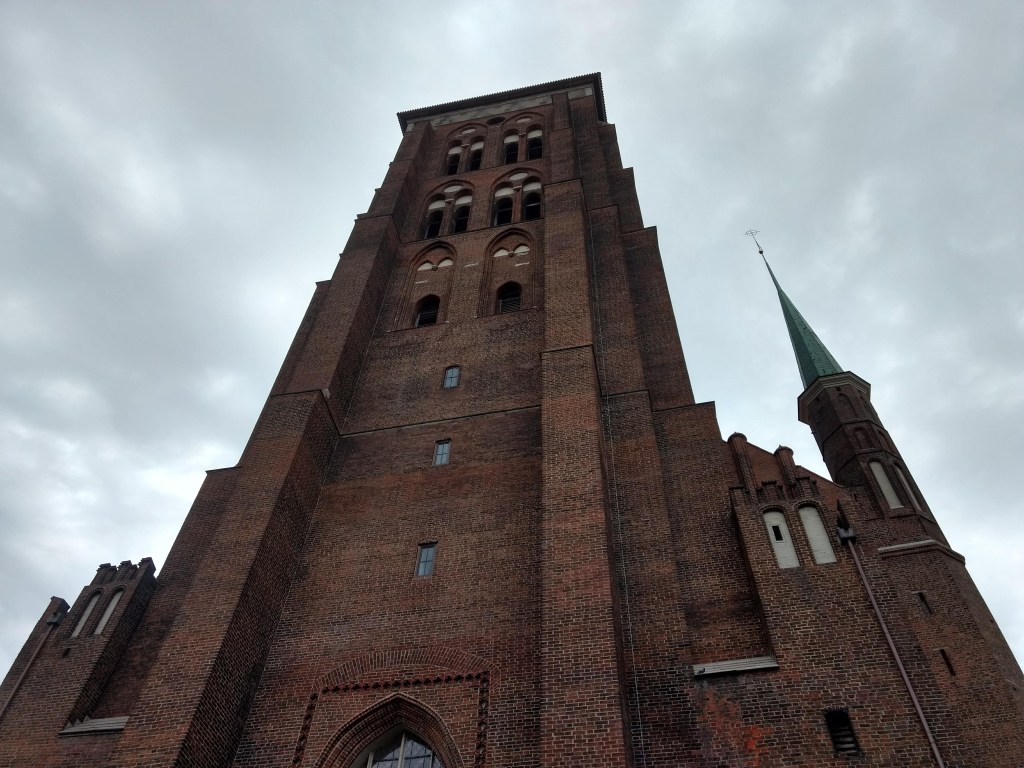
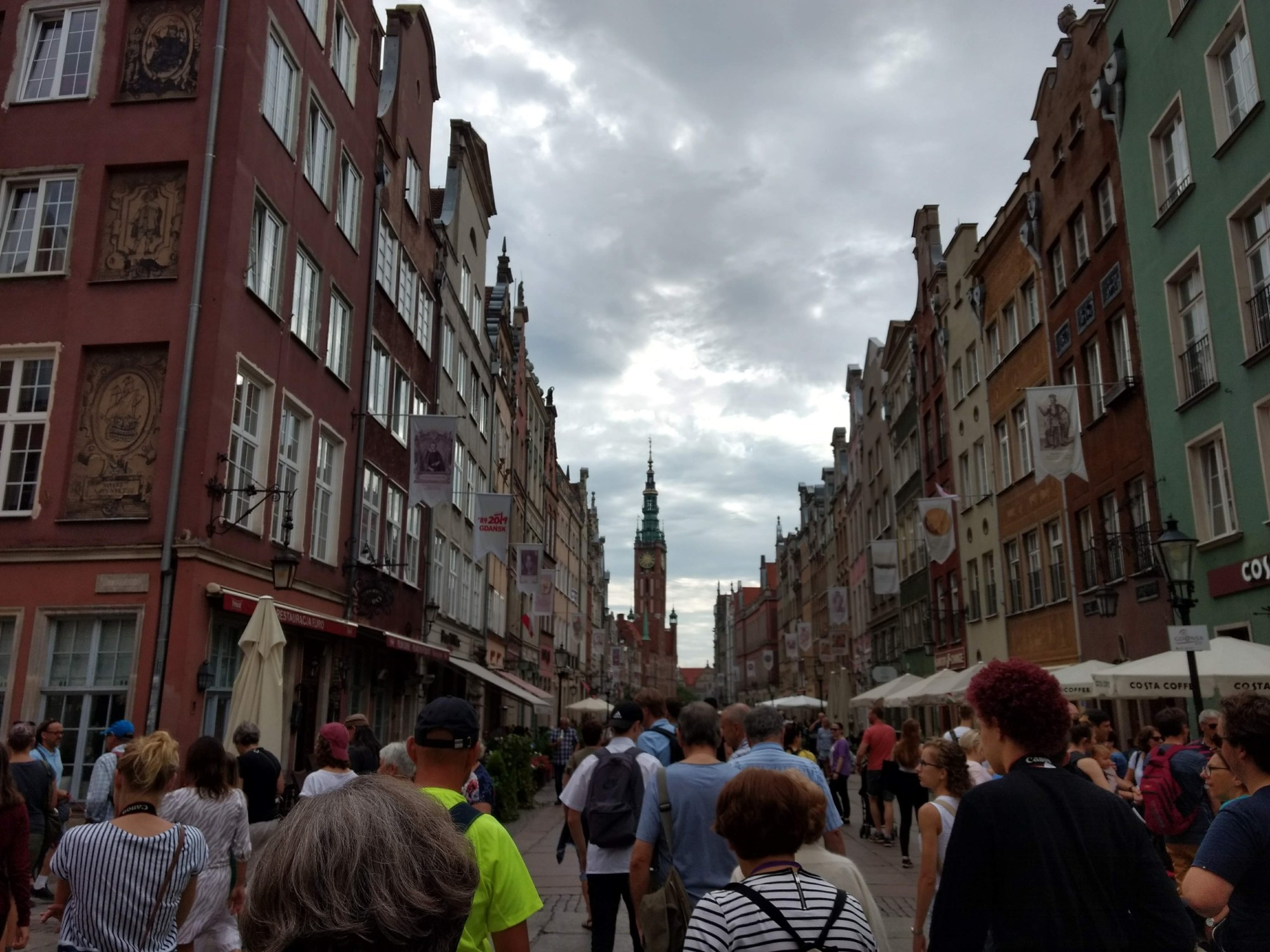
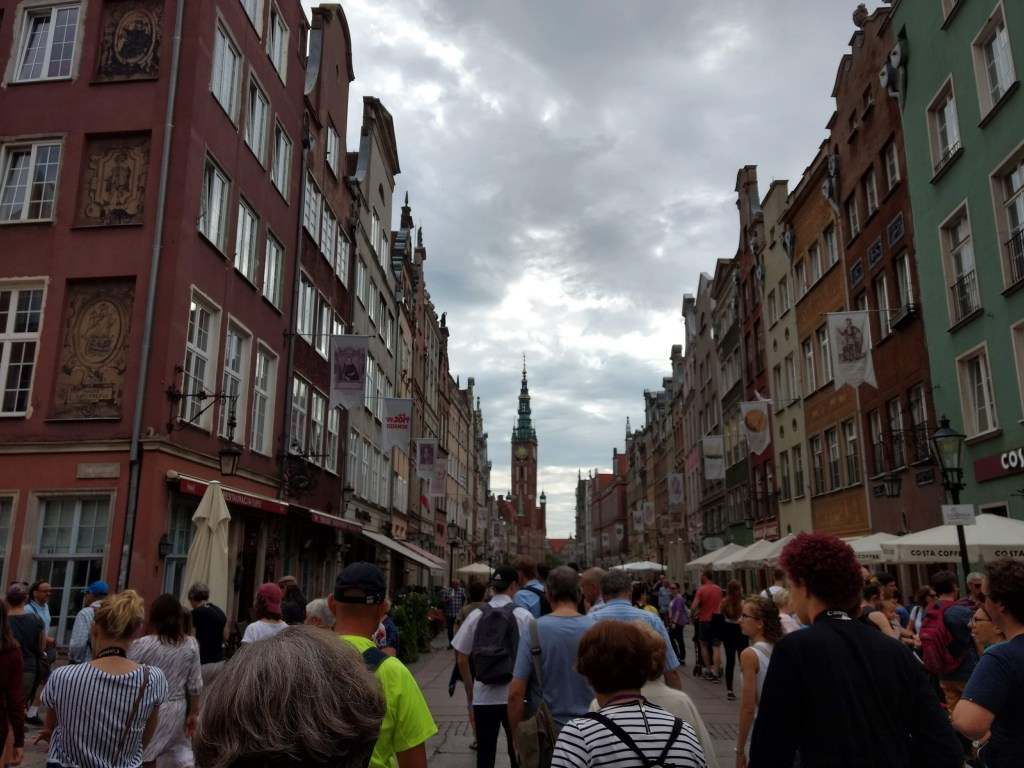
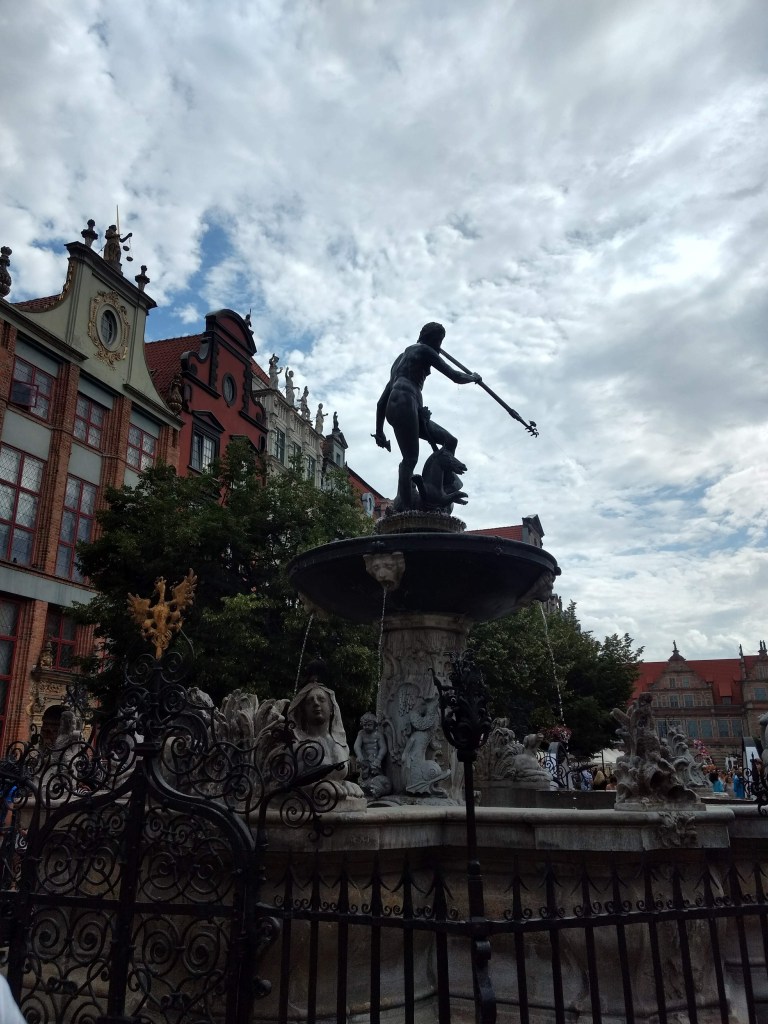
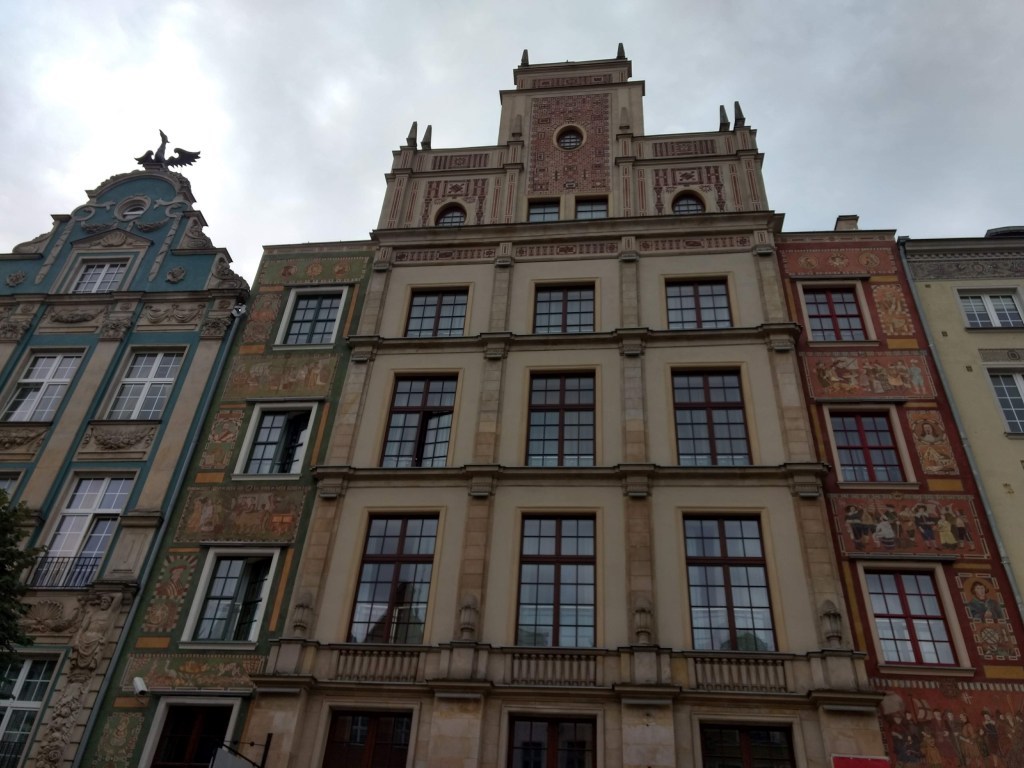
While showing us around the beautifully rebuild city, after being almost completely destroyed in WW2, he guided us through a strongly Dutch influenced old town (apparently dutch settlers build their houses small in ground space, but quite long in height, in order to avoid taxes), a palace for a king that refused to live in it (because it was too ugly and small) as well as Gdansks St. Maries church, fitting over 20.000 people and being the third largest brick church in the world.
Apart from the influence of the Dutch, you could see a strong German influence in the cities architecture as well. After all Gdansk (or Danzig in German) has been German for many years and had a population of 90% Germans before it was invaded. Additionally, the Amsterdam-esk buildings and streets remind you of the fact that Poland was once one of Europe´s most powerful countries, reaching all the way to Riga – with Gdansk being its richest and most powerful city. Apparently the freemasons still see Gdansk as their Headquarters, because it is in some way in the centre of Europe – it is true though that the wind of change – like the fight for independence against the Soviet Union – often came from Gdansk and not from Warsaw or Krakow.
In the end of the tour the guide – which I really liked by then – told us about the story how the Nazis massacered the city. The bright charming man, turned quiet and in himself – you could feel how much those events still affect Poland – and even though I should not feel that way, I was ashamed of my ancestors.
After giving the guide a huge tip in order to feel better about myself, I made a walk through the city myself and eventually sitting down in a park, while trying some traditional Polish food: Bread with lard and pickles. Not my taste but it filled me up and afterwards I just got some Kürtőskalács to eliminate the taste from my mouth.
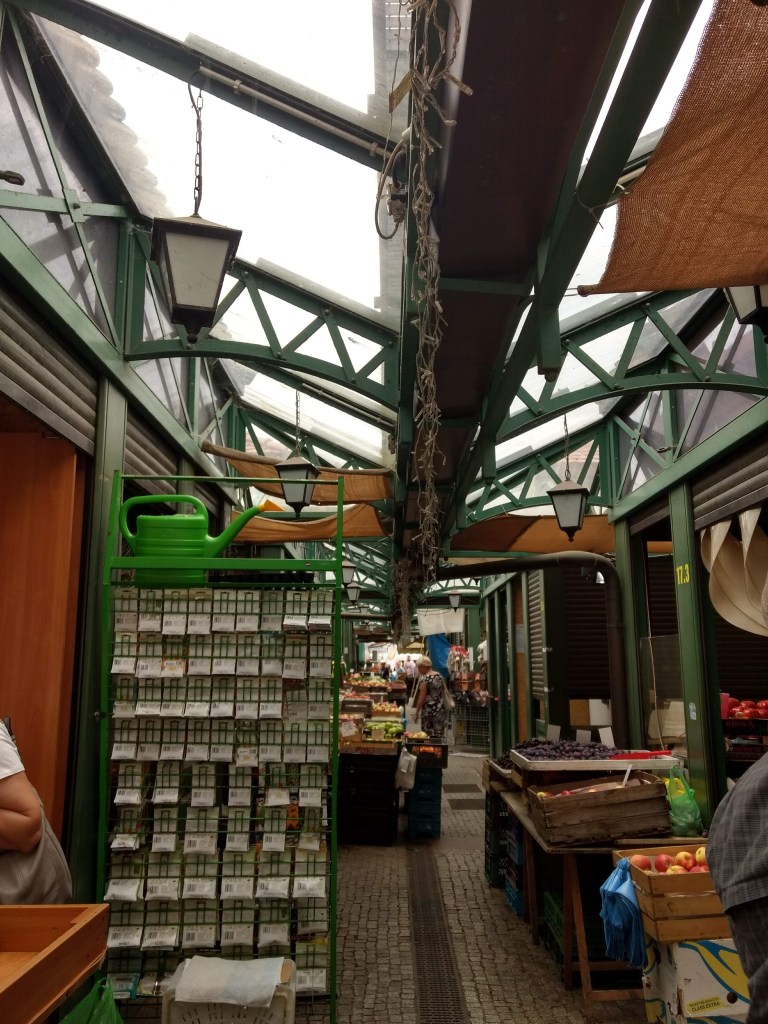
cute market in gdansk 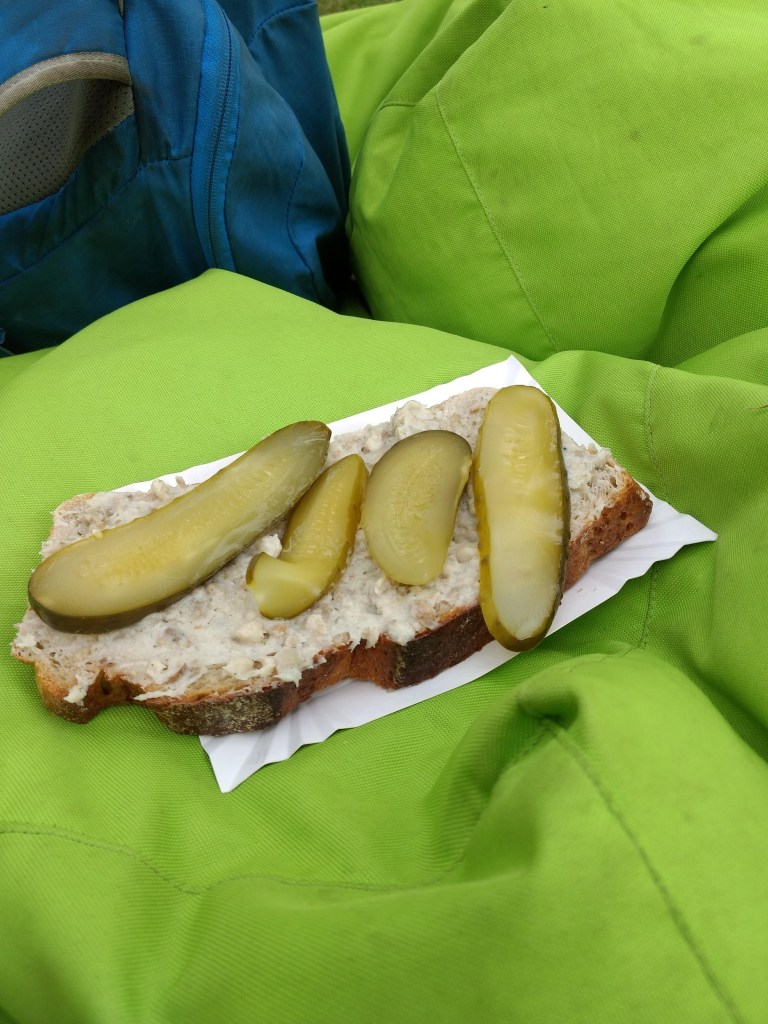
lard 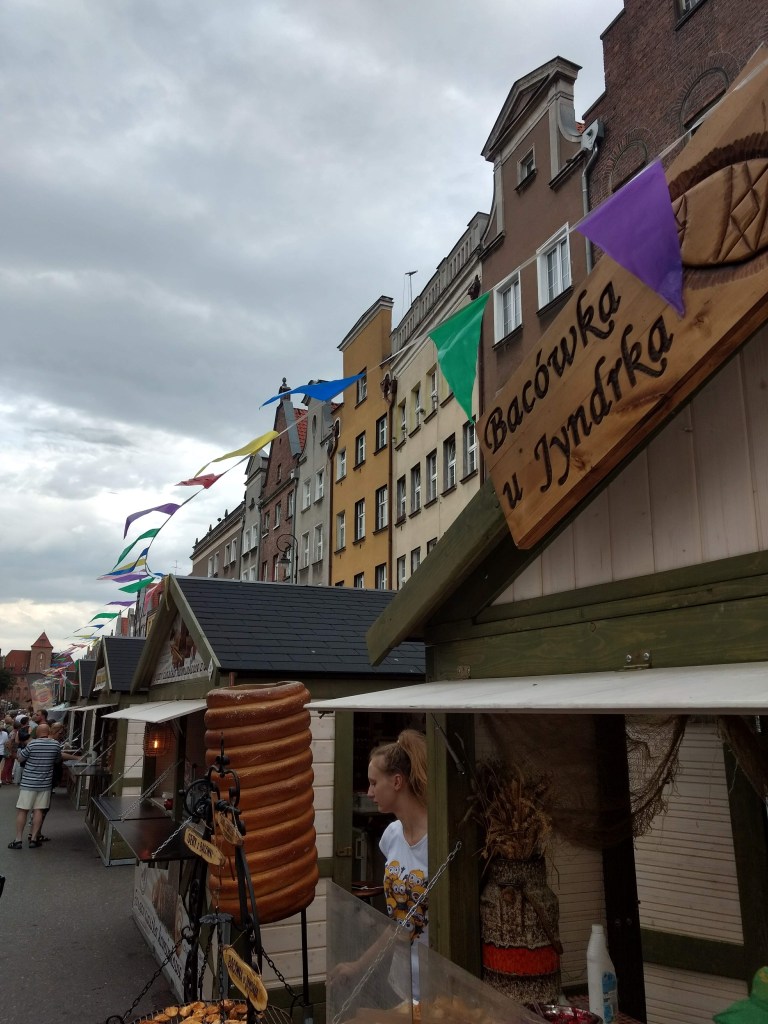
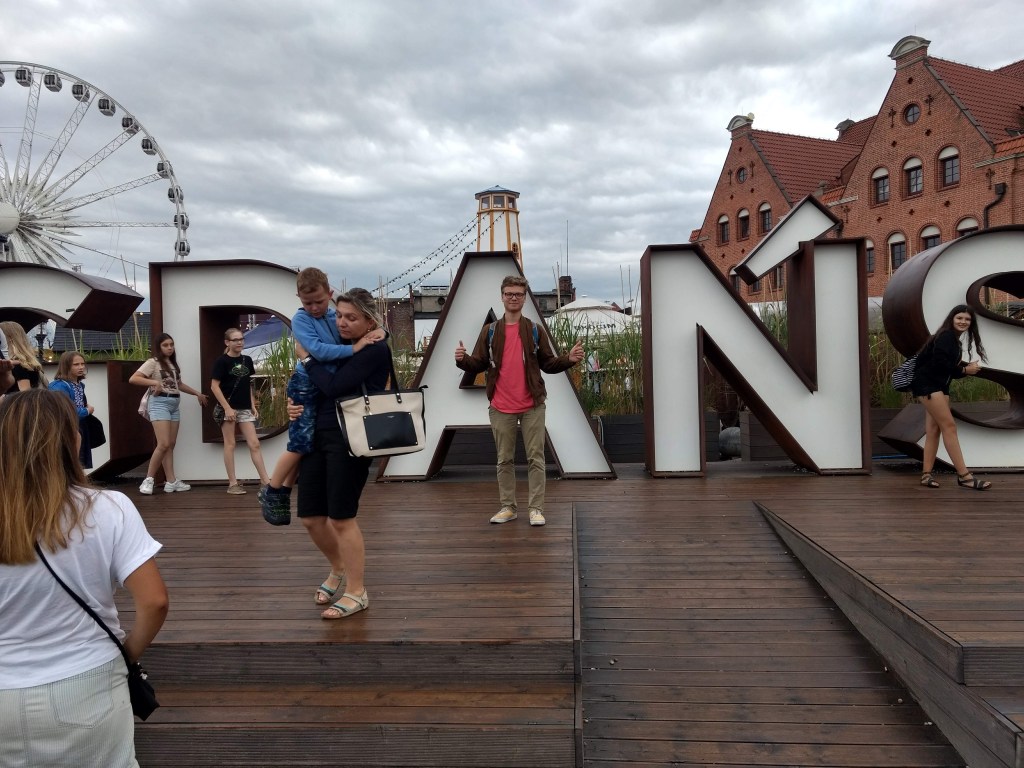
By then I also met up with Nick from the hostel and we went through the city together for a bit, before I would turn back to the hostel.
There I still had a nice evening with the others and met Jessica from San Diego, which I should meet again the following day.
Like the night before, I went to bed completely exhausted from the day.
 jakobtravels
Nice to read about the history of Gdansk. Seems like you aren’t wasting a minute of the day.
LikeLike
I keep myself busy 😀
LikeLike